
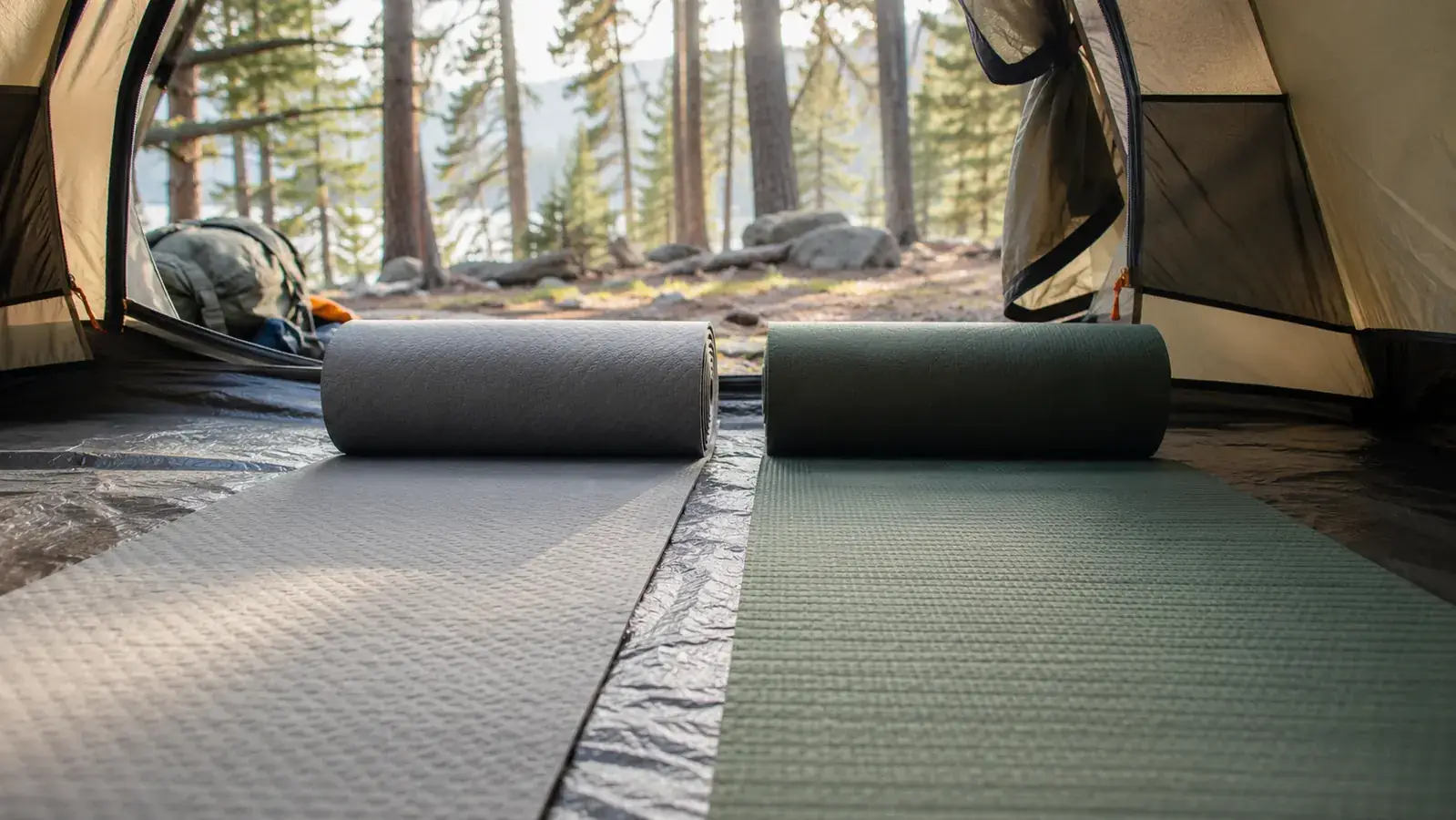
Here is the question I had going into this comparison: can a budget sleeping pad really hold its own against one that costs significantly more? I tested the Sleepingo Ultralight Inflatable Sleeping Pad and the Therm-a-Rest ProLite on back-to-back camping weekends at Shenandoah, same tent, same sleeping bag, same 47-degree overnight lows. I wanted a real answer, not spec-sheet math.
The short answer: for most car campers and light backpackers, the Sleepingo wins on value by a margin that is hard to argue with. The ProLite is a genuinely better pad in a few measurable ways. But the gap is not four times better, and that is the whole point of this comparison.
| Sleepingo Inflatable Sleeping Pad | Therm-a-Rest ProLite | |
|---|---|---|
| Price | Check today's price on Amazon | Check today's price on Amazon |
| R-Value (Warmth) | 1.5 (3-season mild) | 2.4 (3-season, cooler nights) |
| Weight | 14.8 oz | 16 oz (regular) |
| Thickness | 2.5 inches inflated | 1.5 inches (self-inflating foam) |
| Packed Size | 10 x 4 inches (fist-sized) | 11 x 4.5 inches (slightly larger roll) |
| Inflation Method | Mouth / lung inflation only | Self-inflating foam + top-off by mouth |
| Construction | TPU air bladder, no foam | Open-cell foam + welded shell |
| Durability | Puncture risk on rough ground | More puncture-resistant foam core |
| Warranty | Lifetime replacement (brand policy) | Limited lifetime warranty (Therm-a-Rest) |
Where the Sleepingo Wins
Price is the obvious one, but the value case goes deeper than that. The Sleepingo packs down to the size of a water bottle. I fit it in the hip belt pocket of my day pack on a whim just to see if I could. The ProLite rolls to a slightly larger cylinder and takes up more room in a loaded bag. If you are juggling pack space, the Sleepingo has a real edge there.
The Sleepingo is also thicker when inflated. At 2.5 inches of air cushion it puts more material between you and the ground than the ProLite's 1.5-inch foam core, and on rocky campsites that cushioning made a noticeable difference for me. I slept on my side both nights at Shenandoah, and on the Sleepingo I did not feel the small root that was under the tent floor. On the ProLite, I shifted twice before finding a comfortable angle.
Weight is nearly a draw. The Sleepingo comes in at 14.8 ounces versus 16 ounces for the ProLite regular. Not a meaningful difference for most campers, but it is worth noting that the more expensive pad is not the lighter option here.
Where the Therm-a-Rest ProLite Wins
Thermal rating is the ProLite's clearest advantage. Its R-value of 2.4 versus the Sleepingo's 1.5 is a real gap when overnight temps drop below 40 degrees. On a shoulder-season trip in October, I would reach for the ProLite without hesitation. If you camp in the shoulder seasons regularly and sleep cold, that rating matters more than price.
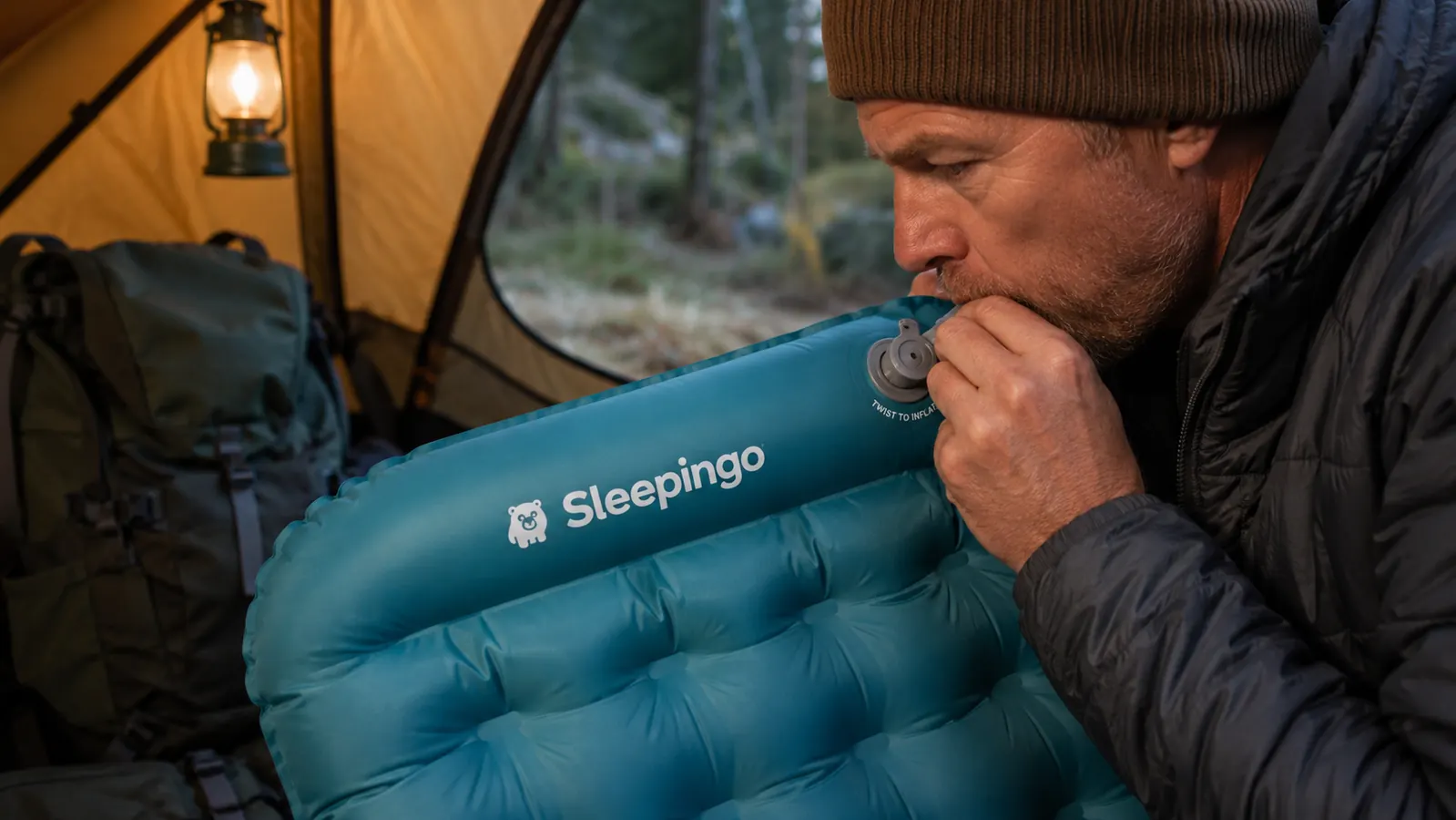
The self-inflating design is also genuinely convenient. You unroll the ProLite, open the valve, and wait. It fills on its own to about 80 percent, then you give it a few puffs to firm it up. The Sleepingo requires 15 to 20 slow, deliberate breaths to reach full inflation. That is not a dealbreaker, but after a long drive to a campsite you notice it. The ProLite's foam core also gives it better puncture resistance. A stray stick or sharp gravel that would put a slow leak in the Sleepingo bounces off the ProLite's welded shell.
The ProLite is a better pad for cold nights and rough terrain. But the Sleepingo is not a worse pad, it is a different trade-off at a quarter of the price. For three seasons of car camping and mild backpacking, most people never hit the ProLite's ceiling.
Still waking up stiff? The Sleepingo costs less than a tank of gas and fits in your hip belt pocket.
Over 34,000 reviews and a 4.3-star average. For weekend car camping and mild backpacking, it handles the job without the premium price.
Amazon Check Today's Price on Amazon →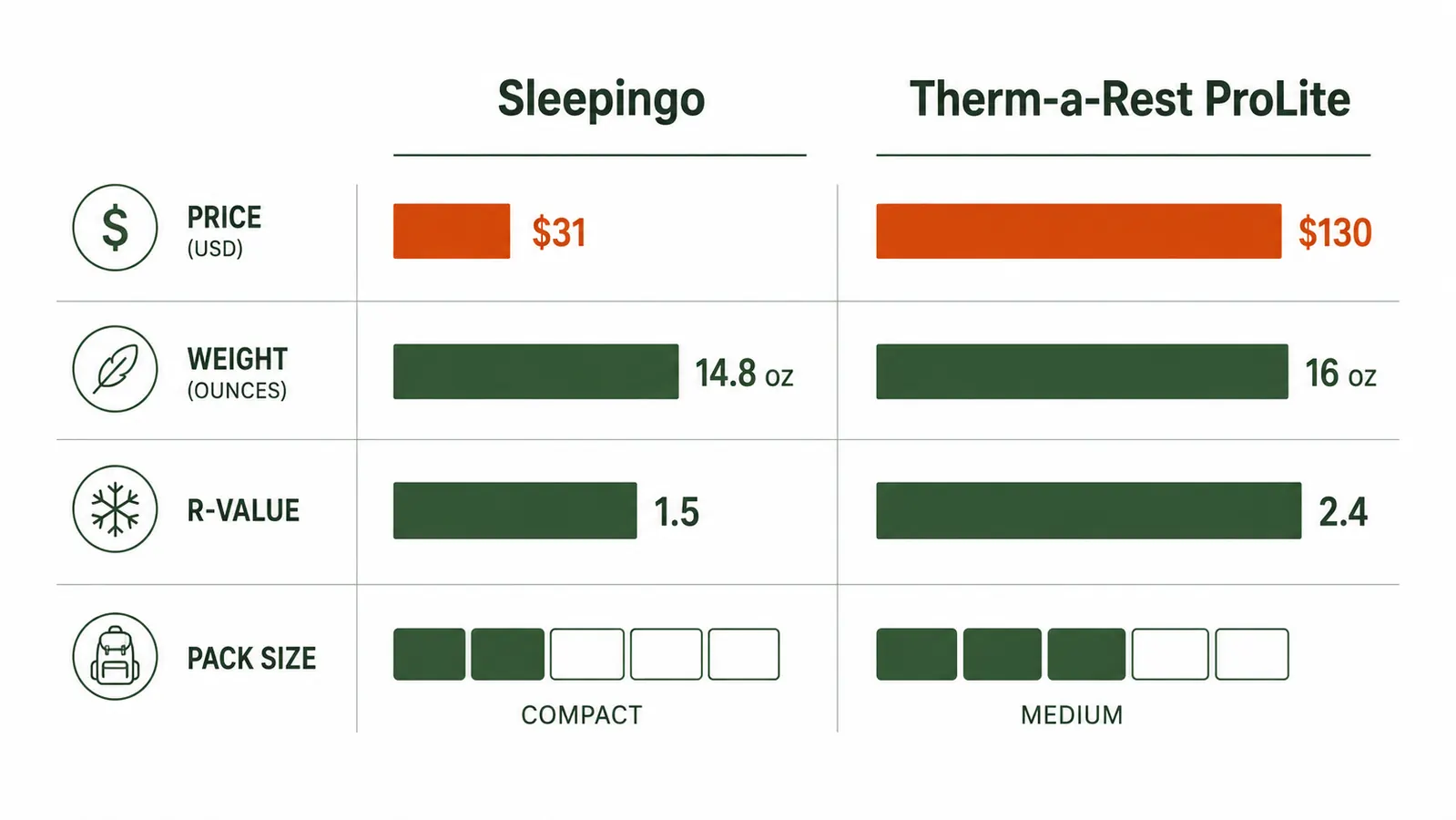
The Honest Tradeoffs on the Sleepingo
I want to be straight about where the Sleepingo falls short, because this is not a perfect pad. The air-only construction means one puncture ends your trip if you do not have a patch kit handy. I carry the included repair kit every time I bring the Sleepingo. On a rocky site I always slide a piece of closed-cell foam mat underneath it as extra insurance. The ProLite does not require that precaution.
The R-value of 1.5 is honest for three-season camping in mild conditions, roughly 40 degrees and above. Below that, you will feel the cold coming through the floor unless you are in a warmer sleeping bag or have a liner. If your camping season regularly dips into the 30s, the Sleepingo's thermal rating is a real limit, not a marketing caveat.
Inflation takes effort. Fifteen to twenty lung-powered breaths is the real number. Some people find that meditative. Others find it annoying after an eight-hour drive. If you know you will hate that step, either budget for a small pack inflator or accept the ProLite's self-inflating design as the better fit for your temperament.
Who Should Buy Which
Buy the Sleepingo if you camp three seasons in mild to moderate conditions, meaning nights above 40 degrees, and if you want a pad that disappears into your pack without a second thought. At its price point you can buy two and still have not spent what a ProLite costs. It is the right call for car campers, beginning backpackers, family camping with kids, and anyone who has been sleeping on a foam pad and wants a serious upgrade without serious spending.
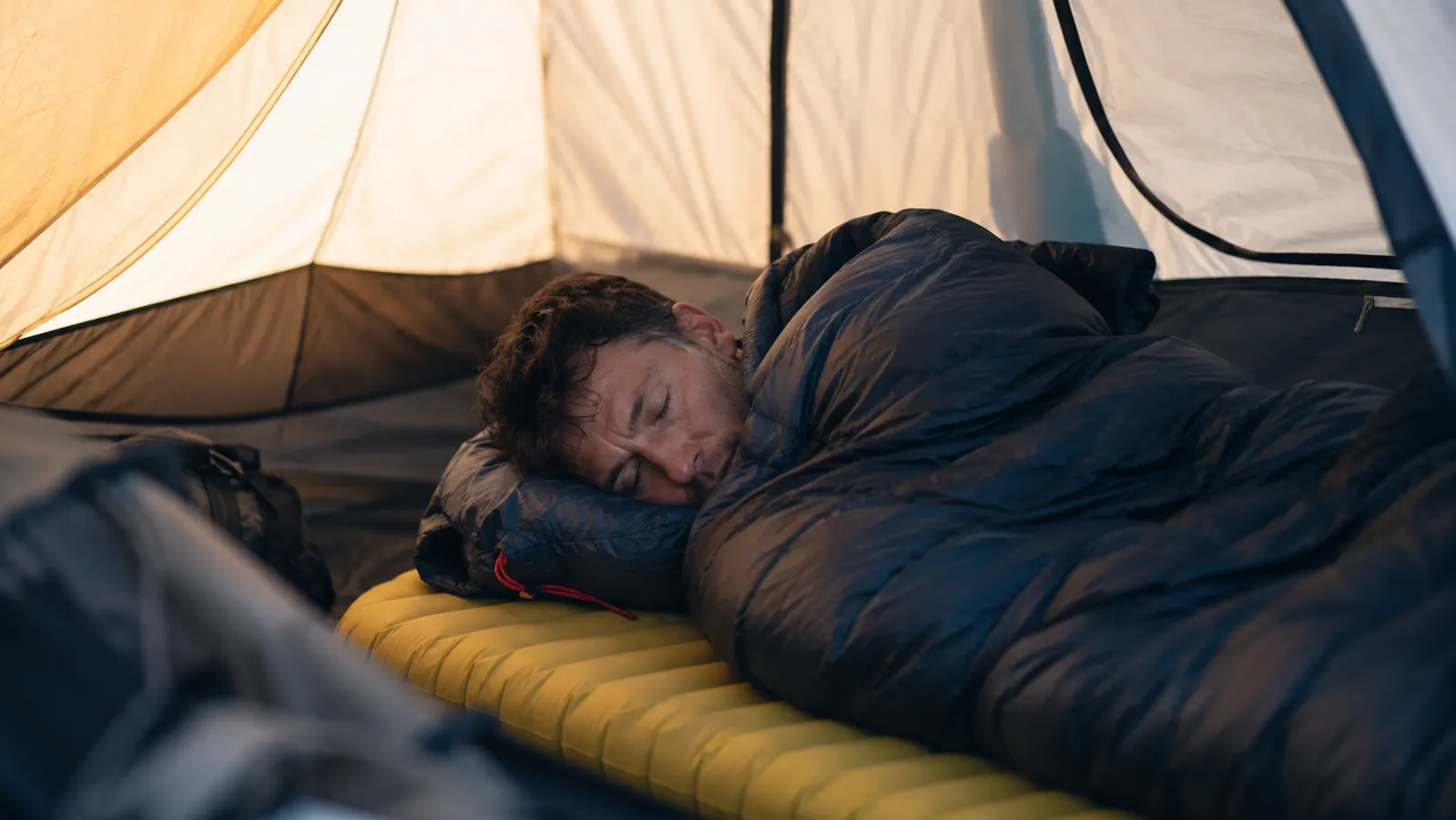
Buy the Therm-a-Rest ProLite if you camp into late October or early spring in colder mountain elevations, prioritize self-inflating convenience, or are building a lightweight kit for multi-night backpacking where durability over hundreds of nights matters. The ProLite is a proven, long-lived pad that earns its price over years of demanding use. It is the right call for dedicated backpackers who camp on rough ground repeatedly.
For the majority of readers visiting this site, the Sleepingo is the answer. Most weekend campers sleep in spring through early fall, on car-accessible sites where conditions are controlled enough that the ProLite's advantages rarely come into play. Spending significantly more on a sleeping pad when a budget pad handles 90 percent of your nights well is a hard case to make.
What I Would Tell a Friend
My brother called me before a camping trip last May asking which pad to grab. He was car camping in the Smoky Mountains, three nights, late spring, high of 72 during the day and low of 48 at night. I told him to get the Sleepingo. He slept fine every night, packed out without noticing the weight, and texted me afterward asking why he had waited so long to get a real pad. That is the audience the Sleepingo was built for, and it delivers.
If he had been planning a solo October traverse of the Appalachian Trail at elevation, I would have told him something different. Context is everything with sleeping pads. Know your conditions and buy accordingly.
For three-season camping, the Sleepingo does the job for a fraction of the ProLite's price.
Lightweight, compact, and backed by a lifetime replacement policy. Click through to check current pricing and availability.
Amazon Check Today's Price on Amazon →