
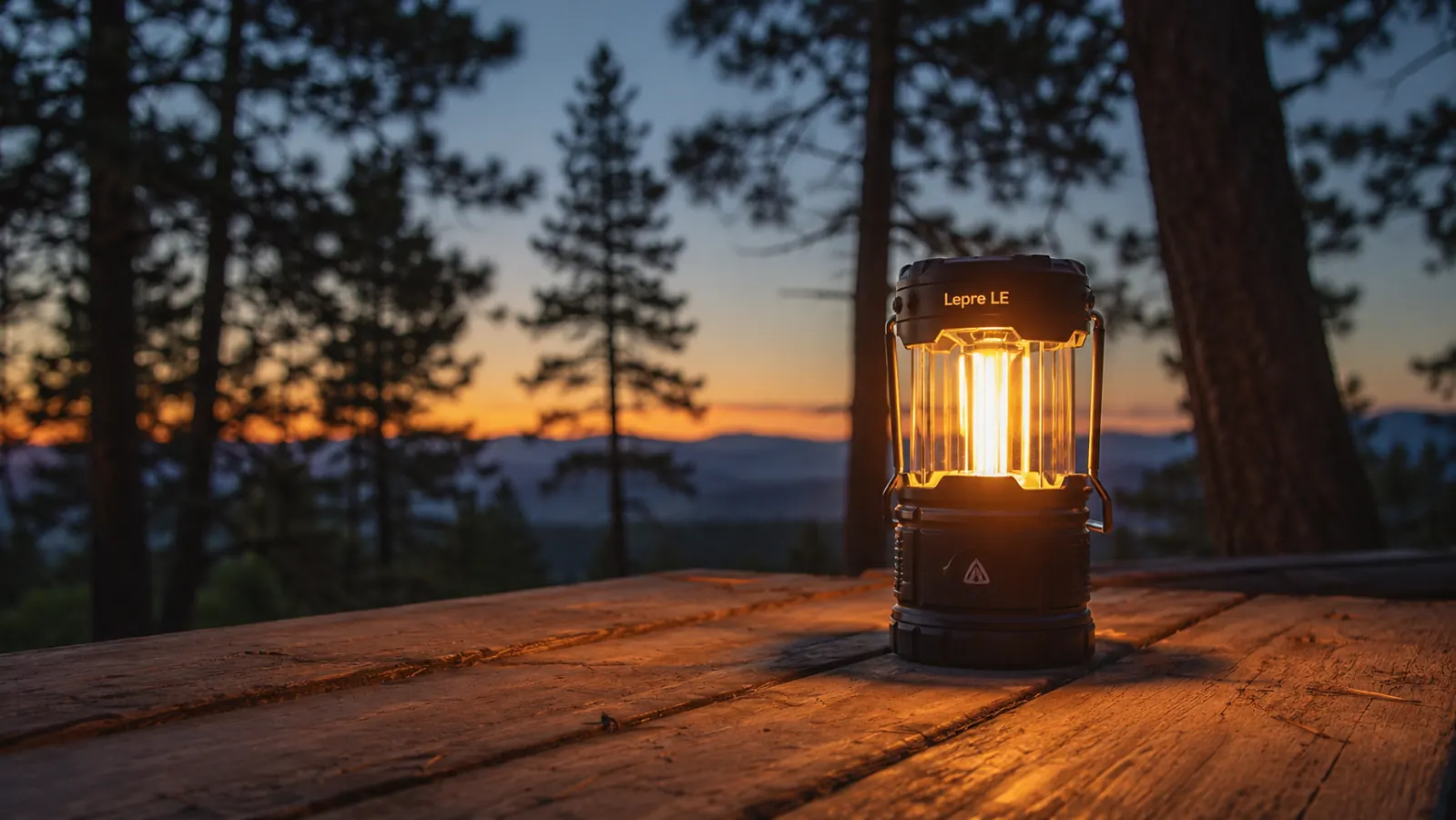
I bought the Lepro 1000LM LED camping lantern last April after my third camping weekend in a row where I ran through a full set of D batteries before Saturday night was over. My old gas lantern had been a decent workhorse for years, but between the replacement mantles and the propane canisters, I was spending more on fuel than on food for the trip. When I saw the Lepro sitting in my Amazon cart at just under thirty-two dollars with a 4.6-star rating across more than 33,000 reviews, I figured it was worth a test run.
What I did not expect was to still be reaching for it every single trip seven months later. I took it to sandy sites in Delaware, rocky sites in the Poconos, a soggy weekend at a state park outside Pittsburgh that never really stopped raining, and a fall trip to the Catskills where temps dropped to 34 degrees overnight. This review covers what I actually learned across all of those conditions, not just the first unboxing impression.
The Quick Verdict
A genuinely capable rechargeable lantern that punches well above its price. The 1000-lumen high mode lights a full campsite, battery life on medium is honest, and the build has held up across a full season of field use. The micro USB port and the lack of a carry handle are real-world annoyances, but neither is a deal-breaker.
Amazon Check Today's Price →Still buying batteries every trip? The Lepro charges off any USB bank and lasts all weekend.
Over 33,000 campers rate it 4.6 stars. Check today's price on Amazon and see if there's a coupon clipped.
Amazon Check Today's Price on Amazon →How I've Used It
From April through late October I brought the Lepro on nine separate camping trips, most of them two-night car-camping weekends. My setup is a six-person tent for two adults and a ten-year-old, so I need the lantern to cover both the sleeping area at night and the camp table during dinner. The Lepro spent most of its life hanging from the loop at the top of the tent and sitting on the picnic table during meal prep and card games.
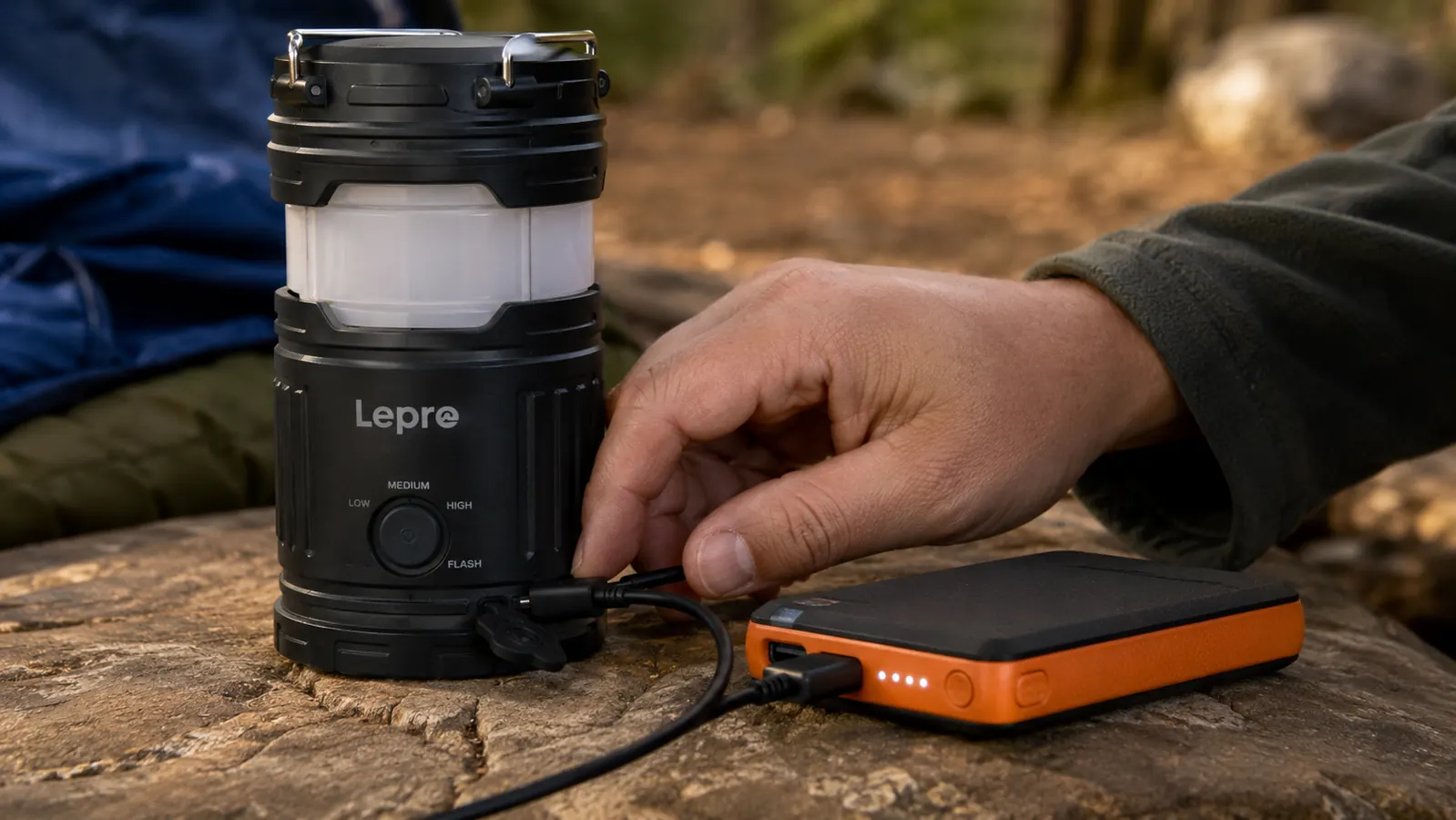
I charged it at home before each trip using a standard wall adapter and a micro USB cable. On longer trips I also topped it off mid-weekend using a 20,000mAh power bank I carry for phones. The charge-in cycles I counted across the season: nine full charges from a wall outlet, plus three partial boosts from the power bank. Battery health has shown no noticeable degradation. On my most recent October trip it felt exactly as bright on high mode as it did the first time I turned it on.
I tested all four light modes deliberately across different trips to get a real feel for runtime, not just the spec-sheet numbers. Here is what I observed in actual field conditions rather than a controlled lab setting.
Brightness and Light Modes: Real Numbers
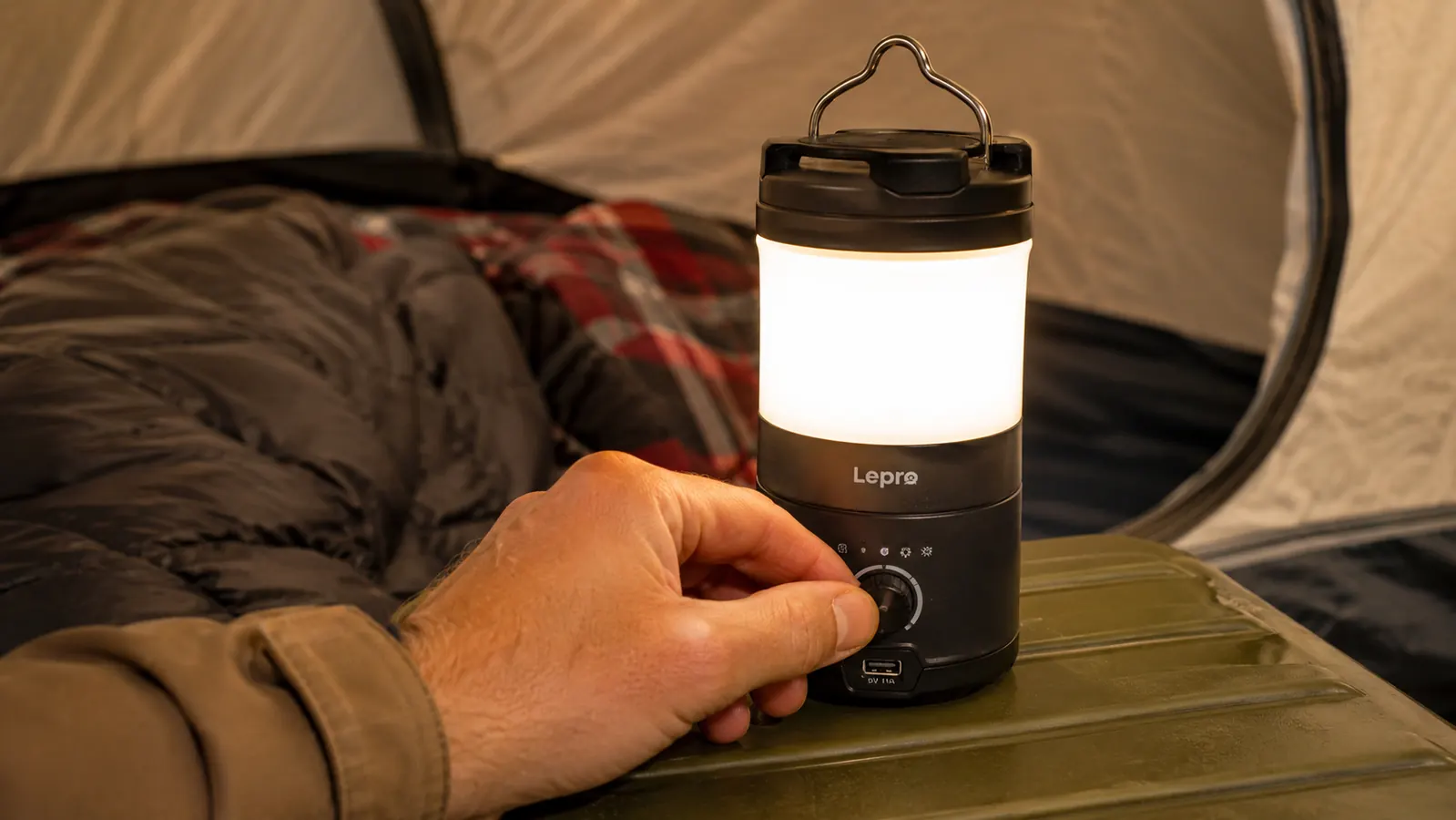
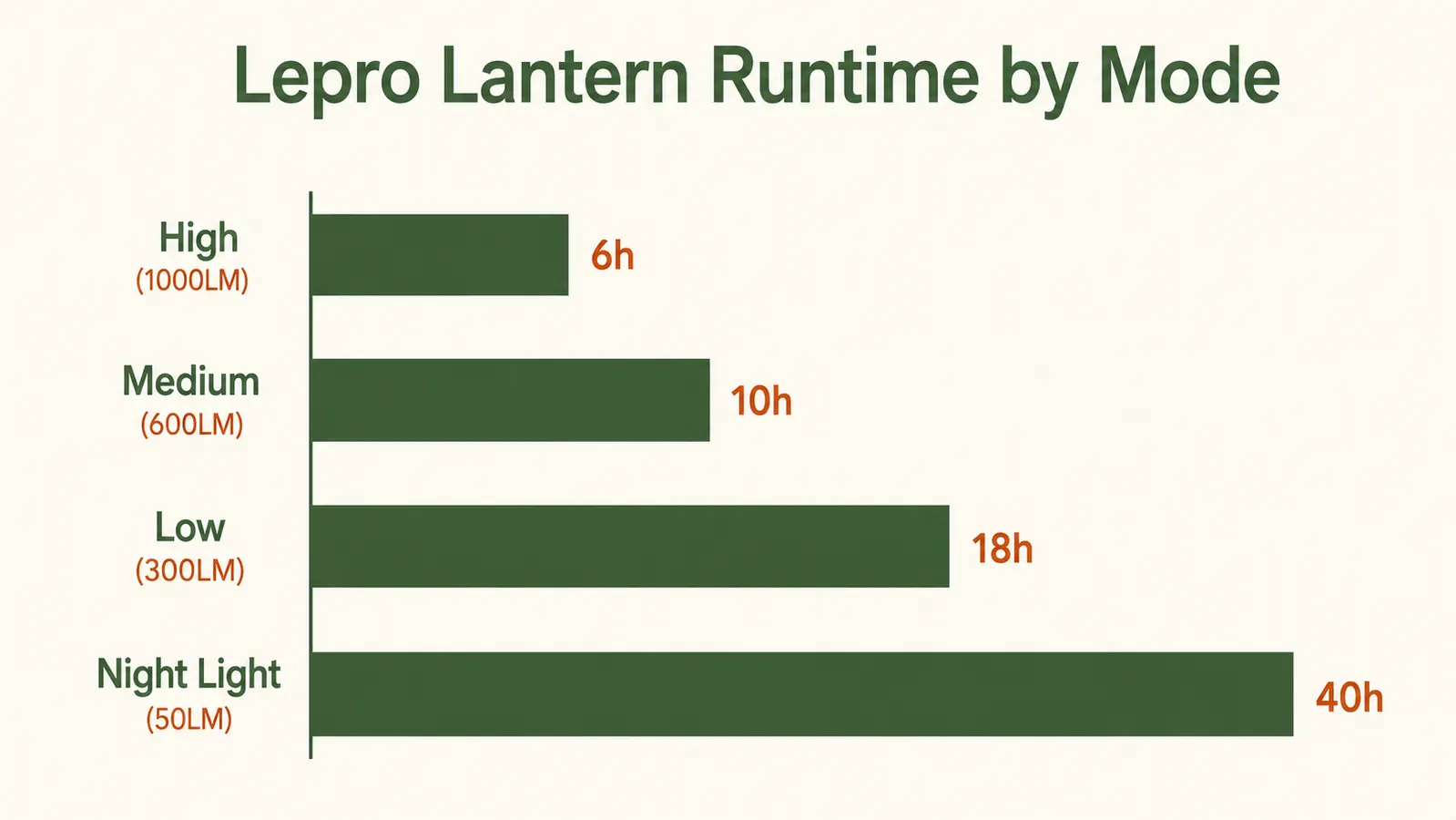
The Lepro has four modes: High at 1000 lumens, Medium at around 600 lumens, Low at around 300 lumens, and a Night Light mode that dims down to a warm amber glow somewhere around 50 lumens. Lepro advertises runtimes of roughly 6 hours on high, 10 hours on medium, 18 hours on low, and up to 40 hours on night light mode. My field observations match those numbers closely, which is not always the case with budget lighting gear.
High mode is legitimately bright for a lantern at this price. It lit the picnic table area well enough that we did not need a headlamp to cook or eat. It also lit the full interior of our six-person tent without any dark corners. The tradeoff is runtime: I got just under six hours before the lantern started dimming to indicate low battery, which means if you forget to charge it before a long Saturday night, you will need a backup. On medium mode the light is more than enough for reading and relaxed camp use, and 10 hours carries most people through a full night.
Night light mode is the one I underestimated at first. I started using it as a bathroom-run light inside the tent and for early-morning coffee before the rest of the family woke up. It is warm and dim enough not to disturb anyone sleeping nearby, and at 40 hours of runtime per charge you could run it as a tent nightlight for an entire week without worrying.
On medium mode I ran the Lepro from Friday evening through Sunday morning without a recharge. That was the moment I stopped thinking of it as a budget lantern and started thinking of it as a real piece of gear.
Weather Resistance: The Wet Weekend Test
The Lepro is rated IPX4, which means it is splash-resistant but not submersible. That rating got a real test on a July weekend in western Pennsylvania where it rained for about fourteen straight hours across Friday night and Saturday. I left the lantern on the picnic table under a tarp lean-to, and it got splashed repeatedly from runoff off the tarp edges. It never flickered, never cut out, and the charging port flap stayed sealed throughout.
I also had it sitting outside on a foggy fall morning in the Catskills where condensation was heavy enough to leave visible droplets on the lantern body. No issues. What I would not do is leave it sitting in a puddle or drop it into a stream, but for normal car-camping rain exposure IPX4 has been more than adequate across my full season of use.
The body is a lightweight frosted polycarbonate that diffuses the light well and does not shatter on hard drops. I knocked it off a picnic table bench onto a gravel site surface from about two feet up and it bounced once and kept running. The frosted panel has a small scuff on one corner now that is purely cosmetic.
The Charging Setup: Where It Shines and Where It Frustrates
The Lepro charges via micro USB, which is the lantern's biggest practical weakness. In a world where almost every device has moved to USB-C, hunting down a micro USB cable is a minor but real annoyance. I keep a dedicated cable in my camp kit specifically for this lantern because I have stopped carrying micro USB cables as daily-carry items. If Lepro updates this to USB-C on the next revision, that alone would make it a more confident buy.
The 4,400mAh internal battery is a genuine asset, though. Charge time from near-empty to full is around five hours from a wall adapter or about eight to nine hours from a power bank, which means you can realistically top it off on a Friday night drive to the site and arrive with a full charge. The lantern also has a USB output port that can charge a phone or a small device, though at 5V/1A it is slow. I have used it in a pinch to give my phone enough juice to load a trail map, but I would not rely on it as a primary phone charger.
A small LED indicator on the base shows charge status: red while charging, green when full. Simple and reliable. No app required, no Bluetooth pairing, no firmware to update. I appreciate that the Lepro is just a lantern that does lantern things.
Ergonomics and Setup: Small Details That Matter on a Real Trip
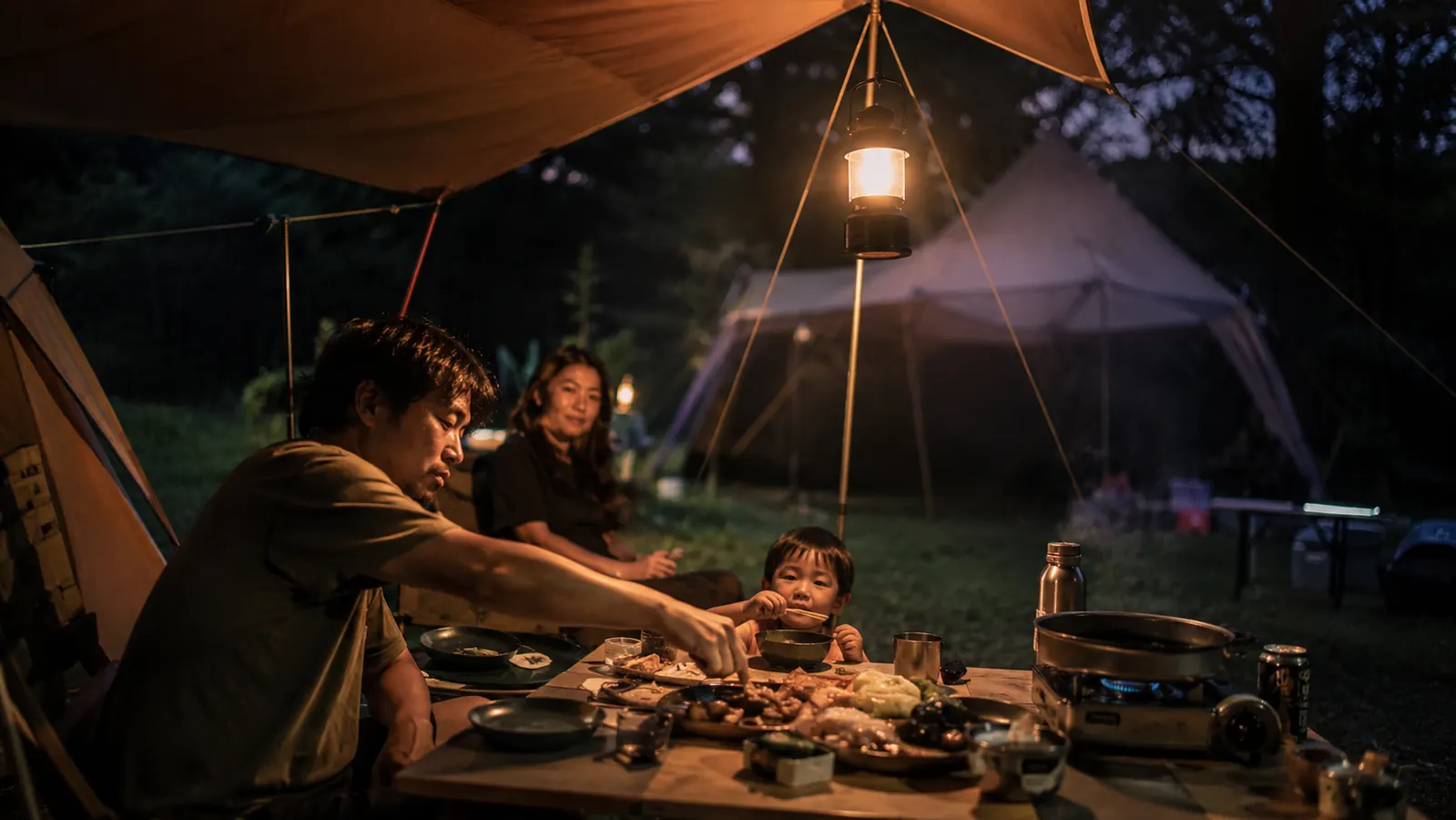
The top of the Lepro has a folding metal hook that lets you hang it from a tent loop, a tarp ridgeline, or a tree branch. That hook is one of the best features on the lantern. It feels solid, it locks in the open position, and it has never slipped loose in seven months. Hanging the lantern from the center loop of our dome tent puts it almost perfectly centered for tent lighting.
What the Lepro lacks is a proper carry handle. The hook can function as one when folded down but gripping a relatively smooth cylinder is awkward, especially with one hand when you are carrying other gear. A simple wraparound rubber grip or a dedicated side handle would solve this. After enough trips I just started dropping it into a small mesh side pocket of my camp bag where it fits snugly.
The single dial on the top controls power and mode. Press to cycle through modes, hold to turn off. It is intuitive after the first use and works with gloves, which matters on cold-weather trips. My ten-year-old figured out the controls in about thirty seconds on our first night out, which is the most reliable usability test I know.
What I Liked
- 1000-lumen high mode genuinely lights a full campsite or tent interior
- Medium-mode runtime of around 10 hours covers most two-night camping weekends on a single charge
- IPX4 splash resistance held up through a fourteen-hour rainstorm and heavy condensation
- Metal hanging hook is solid and locks open, making tent and tarp hanging easy
- Night light mode at 40-hour runtime is a genuinely useful, rarely-mentioned feature
- Can charge phones in a pinch via the USB output port
- 4,400mAh battery has shown no degradation across nine full charge cycles in seven months
Where It Falls Short
- Charges via micro USB, not USB-C, which requires a dedicated cable in most modern camp kits
- No carry handle; the folding hook is awkward to grip when walking with the lantern
- High mode at 1000 lumens runs warm after extended use, though never hot enough to be dangerous
- USB output is 5V/1A, which is too slow for reliable phone charging
How It Compares to What I Was Using Before
My previous lantern was a Coleman propane model I had used since 2019. It was a reliable light source and I have no complaints about Coleman's build quality, but the running costs were real. A propane canister lasted about two full weekends of moderate use. Add replacement mantles every few months and I was spending roughly twelve to fifteen dollars per camping season just on consumables for the lantern. The Lepro has cost me nothing since the initial purchase, and it charges off the same USB power bank I carry anyway.
Brightness-wise the Lepro on high mode is comparable to my old propane lantern on medium, which is more than bright enough for practical camping use. The propane lantern was slightly brighter at maximum output, but it also had a significant heat output and a fragile mantle that burned out if you jostled it wrong during transport. The Lepro has none of those concerns. It is genuinely safer around children and requires zero setup: no priming, no mantle inspection, no worrying about residual propane smell in the tent.
Who This Is For
The Lepro is the right call for car campers who want to stop spending money on batteries or propane and want a lantern that can handle a full weekend on a single charge without any fuss. It is also a strong choice for family campers who want something safe and simple enough for kids to operate on their own. If you camp two to four weekends a year and your lighting needs are a lit picnic table, a bright tent interior, and a nightlight for kids, this lantern covers all of it without needing a second unit.
It also works well as a backup lantern for people who already have a higher-end primary light. At this price it is not a painful buy if your main lantern dies mid-trip and you want a spare that can legitimately handle the role of primary if needed.
Who Should Skip It
If you are a backpacker counting grams, the Lepro is not your lantern. It is a car-camping tool and its weight and bulk reflect that. Ultralight backpackers will be better served by something like the Black Diamond Moji, which weighs a fraction as much and packs down small enough for a hip belt pocket. The Lepro stays in my car camping bin, not my backpacking kit.
I would also give it a second look if you camp in truly remote locations where you cannot charge it mid-trip and you run the lantern on high mode for extended hours every night. In that scenario, seven days of camping with several hours of high-mode use per night might push you toward a lantern with swappable batteries as insurance. For two-to-three-night trips with access to a car charger or power bank, it has been perfectly reliable.
Seven months later it is still my go-to. Here is today's price on Amazon.
The Lepro 1000LM rechargeable camping lantern. 4.6 stars, 33,000+ reviews. See the current price and check if a coupon is clipped at checkout.
Amazon Check Today's Price on Amazon →